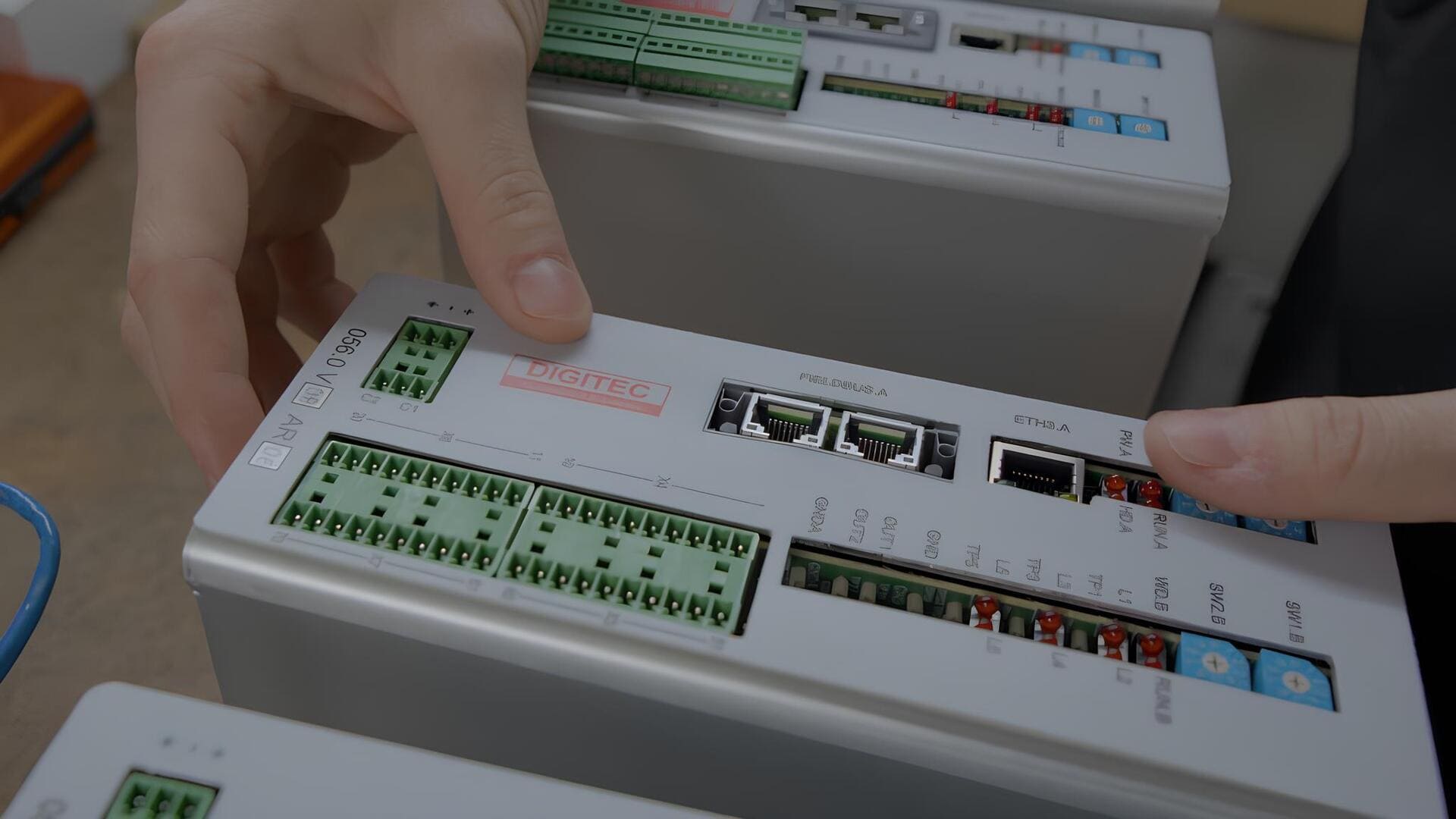

Il taglio al volo è una applicazione industriale utilizzata sui processi di lavorazione continua. I tagli o le lavorazioni avvengono in movimento e in sincronismo con il materiale da lavorare: in questo modo non si interrompe il principale processo dell’impianto ottimizzandone la produttività.
Ci occupiamo di applicazioni in cui è richiesta la lavorazione di materiali in movimento con motori controllati elettronicamente che garantiscono l’affidabilità del sincronismo (taglio al volo, riconoscimento pattern e mark, successiva lavorazione).
Digitec è leader nel controllo del taglio al volo, con moltissime installazioni e in continuo aggiornamento con software di controllo e dispositivi specifici.
Siamo specializzati nella gestione delle cesoie o taglierine di tipo lineare, rotativo e orbitale e abbiamo avuto ottime esperienze anche nella gestione delle cesoie di tipo tilting.